Sacred Work Fashion Collection
2016-2018
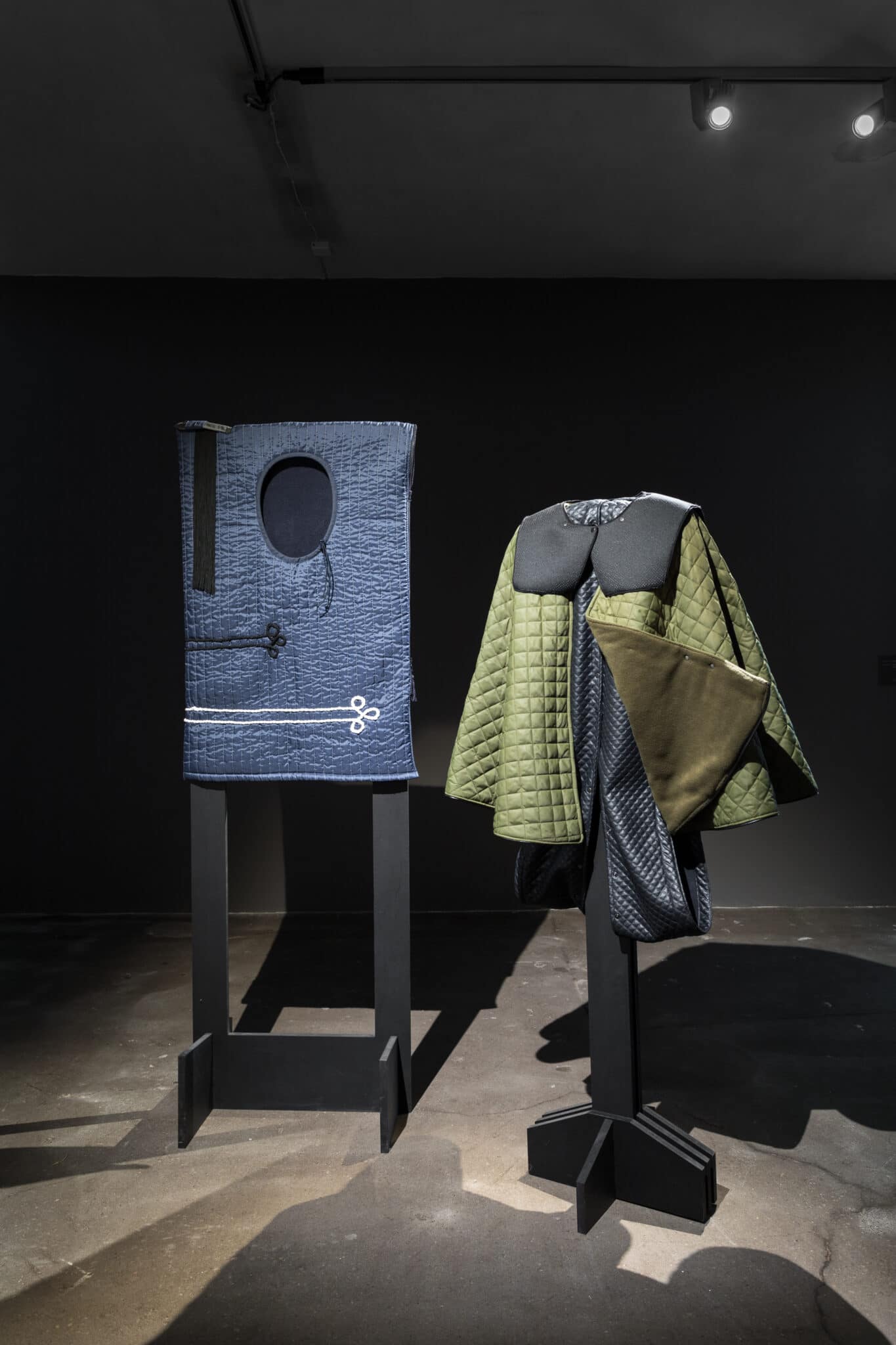
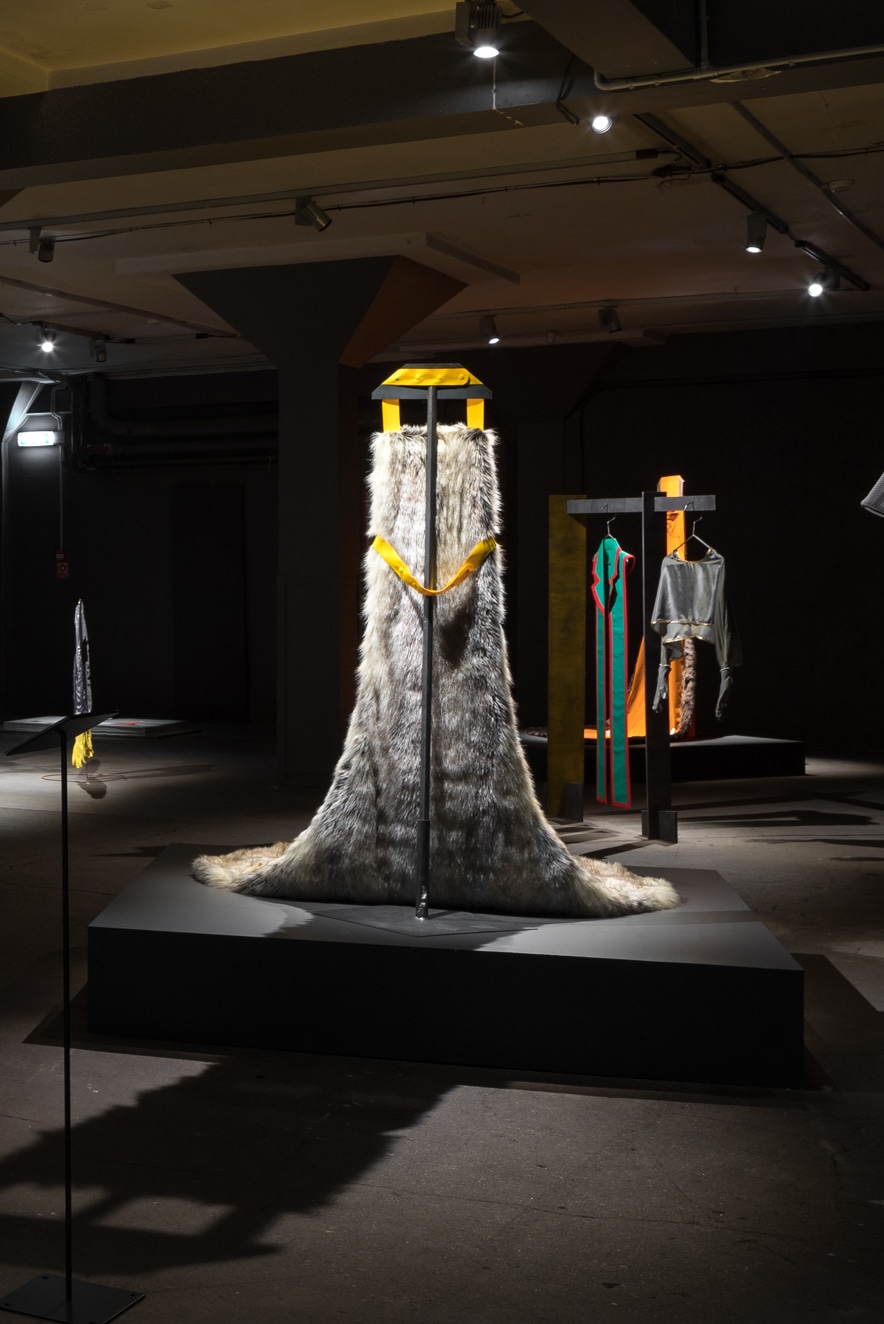
Sacred Work Fashion Collection is a series of 12 individual works.
Excerpt from the exhibition catalogue EVERYTHING EVERYWHERE ALL THE TIME:
Why do we work so much? One obvious answer is because we need money to cover our material needs. But that cannot be all. In today’s exhausting work culture, work has taken such a central role that the rest of our lives tend to be organized around it. Why do we exhaust ourselves at work, sometimes for very little pay? “The problem with work” (Kathi Weeks has written a brilliant book with this title) is often experienced as a personal problem, but it is clearly a collective and cultural issue that relates to our culture as a whole. The way we organize our working lives is linked to social norms, creates a personal identity, status, respect and even self-respect and is often perceived as a social and moral obligation. Care Value (2021), Wage Game (2021), Career Cabaret (2017), Work-Free Coverall (2018) and V.I.P (2022) are all garments where high- and low-status labour meet and merge.
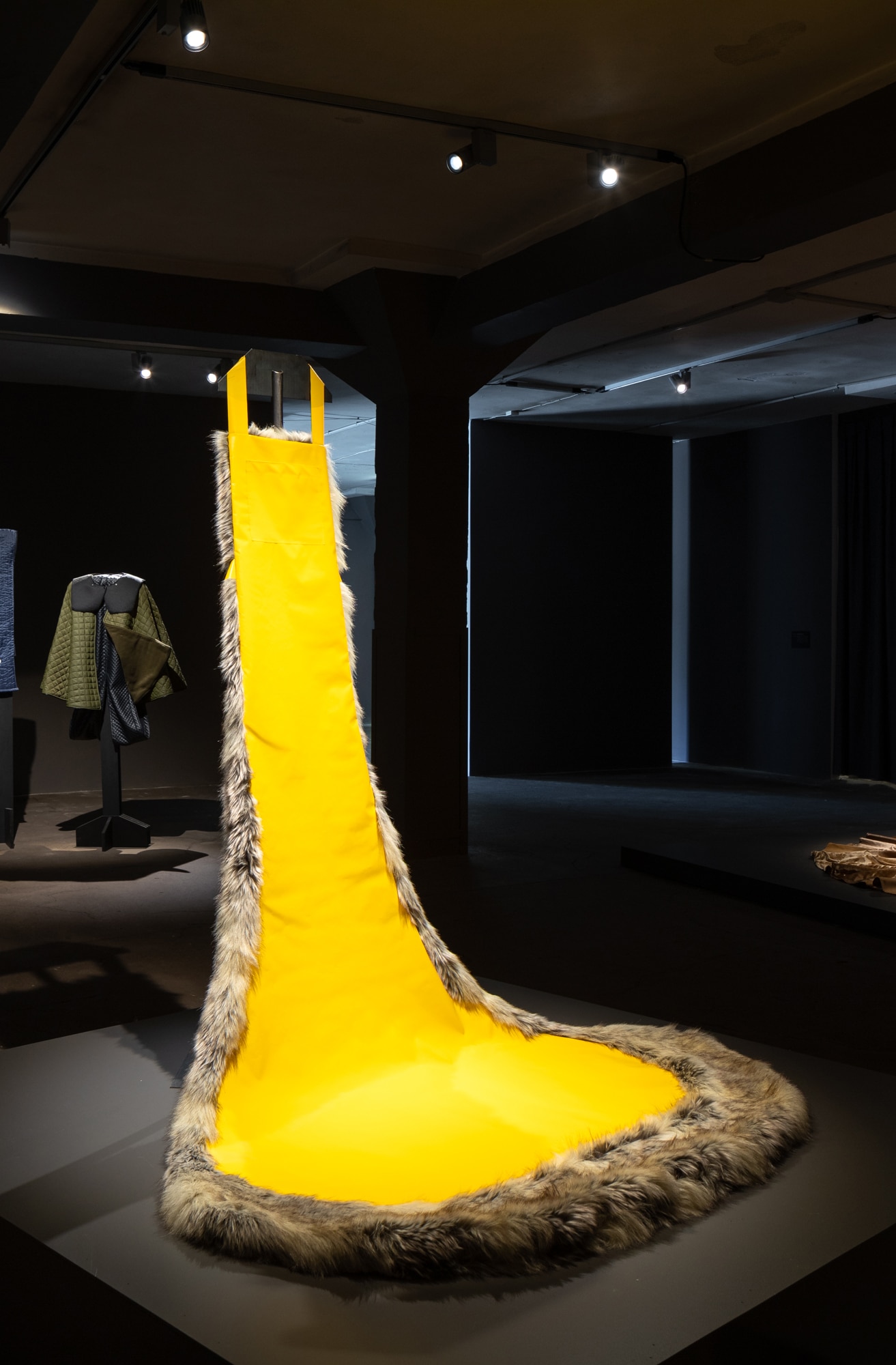
Care Value and Wage Game are hospital scrubs for nursing staff, uniforms worn by some of society’s underpaid but essential workers. The garments have been modified to include different fabrics and styles: wool twill used for suits and fur suggest an occupation with a different kind of income. The upper part of Work-Free Coverall is reminiscent of workwear, but the bottom part takes the form of an evening gown associated with a class that is affluent enough not to need to work. For most people work is an indicator of integrity, but it seems this does not necessarily apply to those who are wealthy enough not to work – money alone ensures status and a place in society.
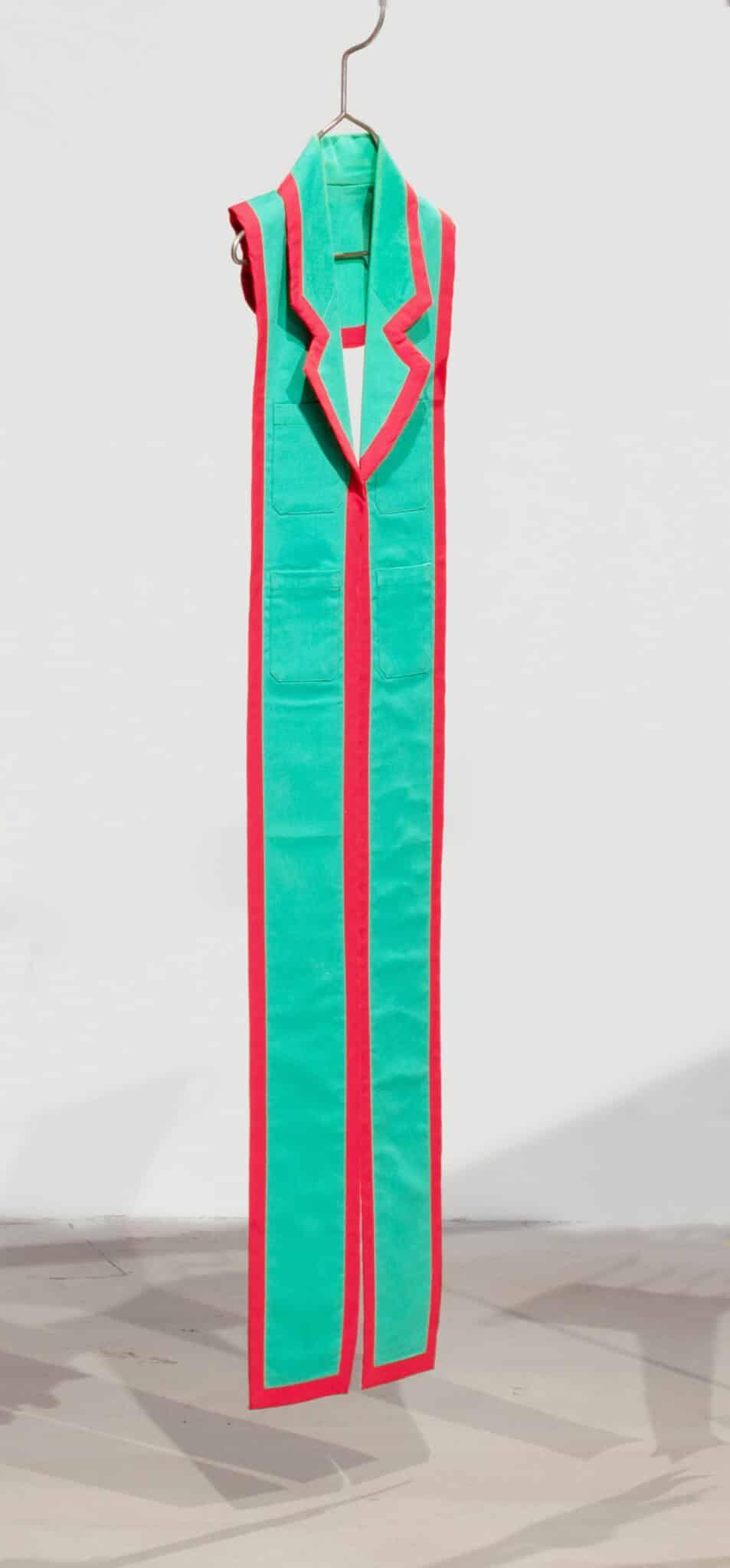
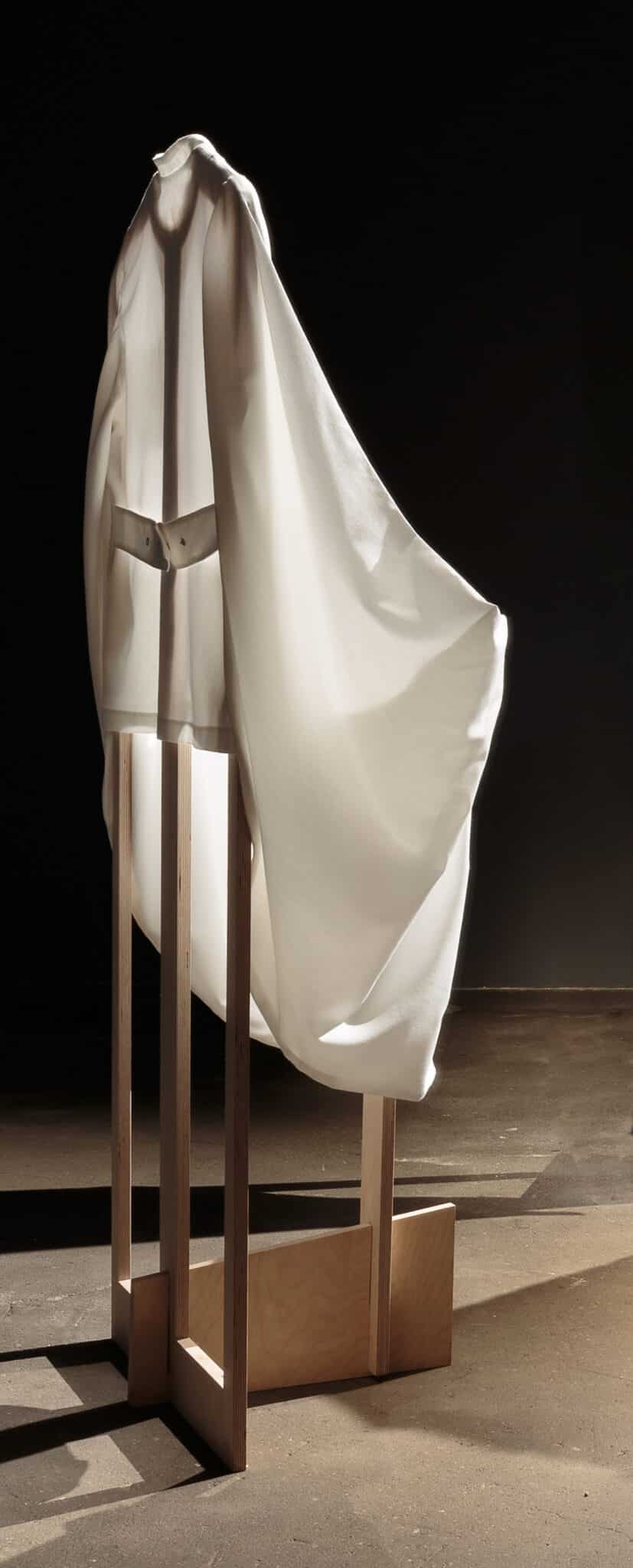
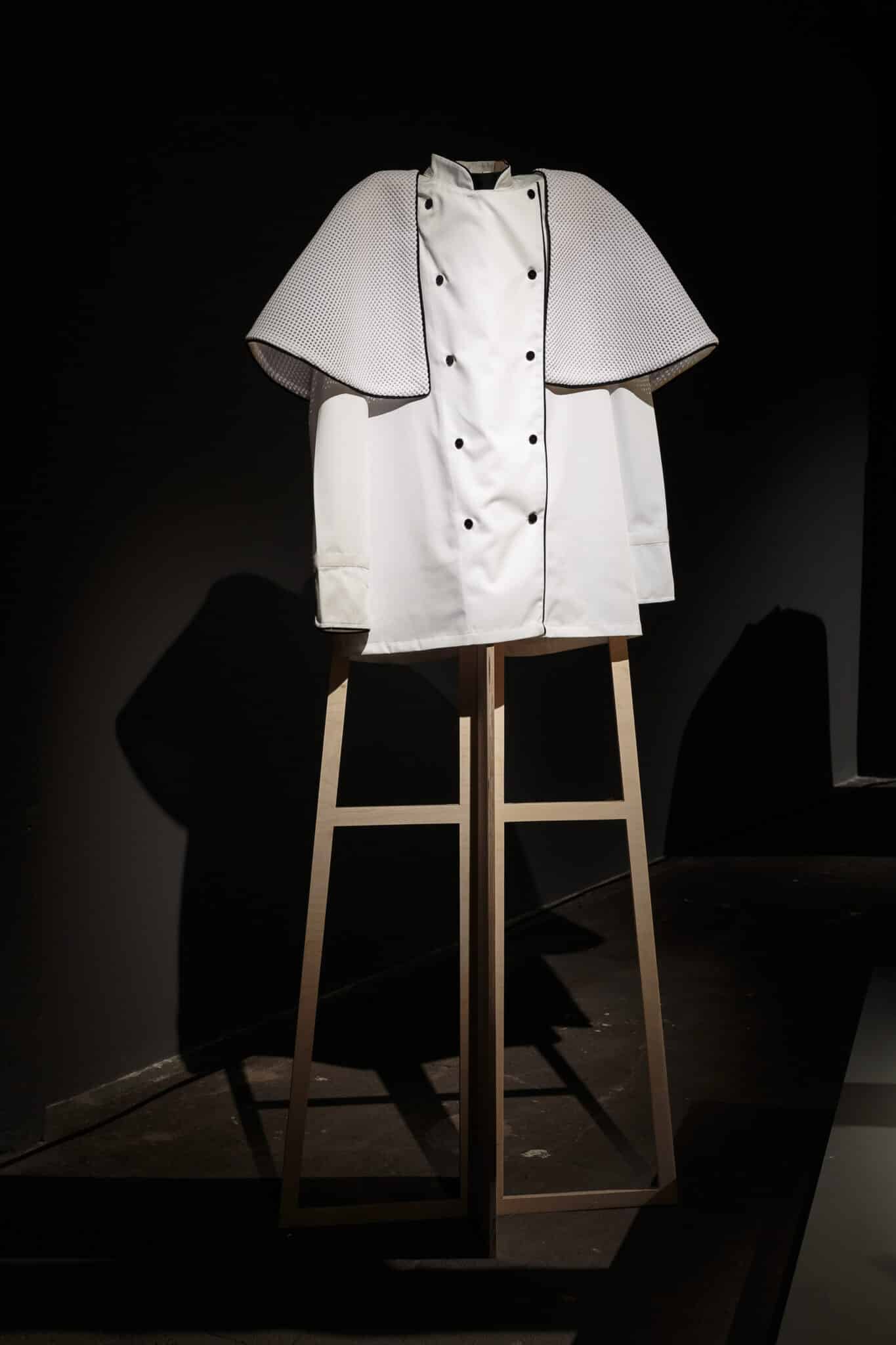
When I first saw a picture of a trading pit at the stock exchange, I thought I was watching a carnival. This was right before the digitalization of trading. Stockbrokers wore brightly colored clothes in order to stand out and representatives from the same companies wore similar colors or patterns. The Trading Jacket for Believers (2016) borrows its colors from the stock market while its shape is reminiscent of a priests’ stole, the liturgical vestment worn by priests over their robes. Prayers Protection (2016) also takes its shape from the clergy stole and is combined with colors from reflective workwear. The Call (2016) takes the form of a doctor’s uniform but with wide sleeves resembling the wings of an angel or the shape of a monk’s robe. The oddly shaped garment refers to the notion that work is a divine calling. This belief originally applied to the clergy, but with the advent of Protestantism work was seen, even for common people, as a way to honor God. – Hannah Toticki